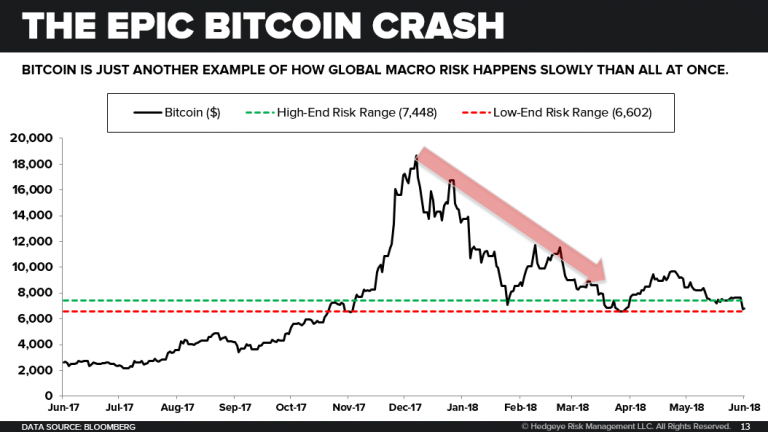
The bitcoin crash sets the stage for this enthralling narrative, offering readers a glimpse into a story that is rich in detail and brimming with originality from the outset.
By diving into the historical context, we uncover the various factors that contribute to the volatility of bitcoin, revealing how investor sentiment and external events can dramatically shift market dynamics. This exploration will cover significant past crashes, the psychological impacts on investors, and the strategies one can adopt to navigate through turbulent times in the cryptocurrency market.
Understanding the Bitcoin Crash
Bitcoin’s journey since its inception in 2009 has been marked by remarkable highs and devastating lows. Understanding the historical context of bitcoin crashes is crucial for anyone interested in the cryptocurrency market, as these events can significantly impact investor sentiment and market dynamics. Crashes serve as critical reminders of the volatility inherent in cryptocurrencies and highlight the relationship between market psychology and external stimuli.Various factors contribute to bitcoin crashes, often intertwining market psychology, external events, and regulatory news.
The cryptocurrency market is highly susceptible to speculative trading, which can lead to sharp price increases followed by equally steep declines. When fear grips investors—whether due to market trends or global events—the result is often a rapid sell-off, leading to significant price drops.
Historical Context of Bitcoin Crashes
Key events in bitcoin’s history demonstrate the market’s volatility and the triggers of substantial price reductions. Notable crashes include:
- 2011 Crash: Bitcoin experienced its first major crash when the price soared to $31 in June 2011, only to plummet to around $2 by November due to security breaches and market skepticism.
- 2013 Price Bubble and Crash: After reaching a high of $1,200 in late 2013, bitcoin’s price fell sharply to around $200 by early 2015, driven by regulatory concerns and exchange hacks.
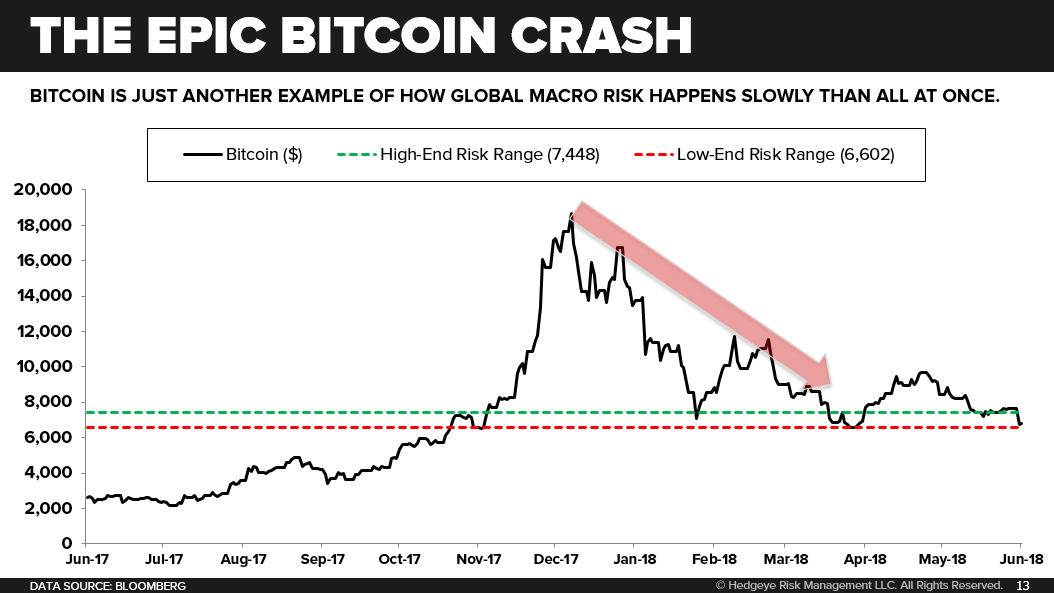
- 2017 Boom and Crash: Bitcoin skyrocketed to nearly $20,000 in December 2017, followed by a protracted bear market that saw the price drop to around $3,200 by December 2018. This significant decline was fueled by market speculation and regulatory scrutiny.
- 2020-2021 Fluctuations: Following the pandemic’s onset, bitcoin soared to an all-time high of over $64,000 in April 2021. However, by July 2021, it had dropped to about $30,000 due to market corrections and environmental concerns regarding bitcoin mining.
These events highlight that the causes of bitcoin crashes are often multi-faceted. External factors, such as regulatory announcements or technological vulnerabilities, can have immediate effects on investor confidence, leading to market sell-offs. Furthermore, the psychological aspects of trading play a significant role, as fear and greed drive price movements.
Common Factors Leading to Bitcoin Crashes
Several consistent factors contribute to bitcoin crashes:
- Market Psychology: Investor sentiment can shift rapidly, leading to panic selling when prices begin to drop.
- Regulatory Changes: Announcements from governments or regulatory bodies concerning cryptocurrency can create uncertainty, prompting investor retreat.
- Technological Vulnerabilities: Security breaches in exchanges or wallets can erode trust in the market and result in crashes.
- Market Manipulation: Activities such as pump-and-dump schemes can artificially inflate prices, leading to inevitable corrections.
The interplay of these factors creates a volatile environment that can lead to sudden and severe price drops. Awareness of these triggers is essential for investors navigating the unpredictable waters of the cryptocurrency market.
“The cryptocurrency market is a reflection of collective human behavior; emotions can fuel both euphoric highs and devastating lows.”
Causes of Bitcoin Price Volatility
The volatility of Bitcoin is a phenomenon that has garnered significant attention from investors and analysts alike. Various factors contribute to the rapid fluctuations in its price, which can lead to substantial gains or losses within short timeframes. Understanding these causes is essential for anyone looking to navigate the cryptocurrency market effectively.
Investor Sentiment
Investor sentiment plays a critical role in Bitcoin’s price volatility. Market perceptions can shift rapidly based on news, social media discussions, or influential figures within the finance and technology sectors. For instance, when a high-profile investor publicly endorses Bitcoin, it can lead to a surge in demand, driving prices upward. Conversely, negative news, such as security breaches or unfavorable regulations, can instill fear among investors, prompting massive sell-offs.
“Fear and greed are the two emotions that primarily drive the market sentiment.”
Investors often react to market trends rather than fundamental analysis, leading to herd behavior that amplifies price swings. For example, during the 2017 bull run, the excitement around Bitcoin saw its price soar to nearly $20,000, driven largely by speculative trading and mass media coverage. However, the subsequent crash in early 2018 highlighted how fragile these sentiments can be, as many investors panicked and exited the market.
Regulatory Changes
Regulatory developments across different countries significantly impact Bitcoin prices. Governments around the world are still grappling with how to approach cryptocurrencies, leading to a patchwork of regulations that can create uncertainty. For instance, announcements of stricter regulations in major markets like the United States or China have historically resulted in immediate price drops, as investors react to the potential for future restrictions on trading or usage.The implications of regulatory changes can be profound, as they often dictate the legitimacy and operational framework for Bitcoin.
A real-life example includes the 2017 decision by China to ban initial coin offerings and shut down domestic cryptocurrency exchanges, which caused Bitcoin’s price to plummet from $4,000 to $3,000 within days. Conversely, regulatory acceptance, such as Bitcoin being recognized as legal tender in El Salvador in 2021, has the potential to boost confidence and prices significantly.
Technological Developments
Technological advancements within the Bitcoin ecosystem can lead to price instability as well. Upgrades to the Bitcoin protocol, such as the implementation of the Segregated Witness (SegWit) or the Bitcoin Lightning Network, aim to enhance transaction speeds and lower fees. While these developments are generally positive, they can also lead to uncertainty during their introduction phases, as investors weigh the potential benefits against the risks of unforeseen issues.Additionally, forks in the Bitcoin blockchain can create market confusion and lead to price volatility.
When Bitcoin underwent a split resulting in Bitcoin Cash in 2017, the event caused significant fluctuations in Bitcoin’s price as traders speculated on which version of the currency would hold more value in the long run. These technological factors highlight how the evolving nature of Bitcoin can influence investor confidence and market dynamics, contributing to its overall price volatility.
Effects of Bitcoin Crashes on Investors
The volatility of Bitcoin often leads to dramatic price swings, which can have significant repercussions for investors. Understanding these effects is crucial for anyone involved in the cryptocurrency market, as the financial, emotional, and psychological consequences can vary widely among different types of investors. The aftermath of a Bitcoin crash can trigger various financial consequences for investors, ranging from severe losses to missed opportunities for strategic buying.
During market downturns, the impact on investors can be categorized into distinct groups: retail investors and institutional investors.
Financial Consequences for Investors
The financial ramifications of a Bitcoin crash can be substantial, affecting individual portfolios and the broader market. The following points highlight the potential consequences faced by investors during such downturns:
- Loss of Capital: Many investors experience significant drops in their investment value. For instance, during the crash in March 2020, Bitcoin’s price fell from nearly $9,000 to around $4,000 in just a few days, leading to substantial paper losses for retail investors.
- Margin Calls: Investors using leverage are particularly vulnerable. If the value of their collateral falls below a certain threshold, they may receive margin calls, forcing them to sell assets at a loss to cover the borrowed funds.
- Panic Selling: Emotional reactions to market crashes can lead to irrational decisions. Retail investors, in particular, may sell at the lowest points, exacerbating their losses and missing potential rebounds.
- Buying Opportunities: Some investors view crashes as opportunities to accumulate Bitcoin at lower prices. For example, savvy investors who purchased Bitcoin during the 2018 crash saw significant gains when the market recovered in subsequent years.
Investor Reactions: Retail vs. Institutional
Differentiating the responses to crashes between retail and institutional investors reveals different strategies and levels of resilience. Retail investors often react more emotionally, while institutional investors are generally more calculated in their approach. The following case studies illustrate how these two groups respond to crashes:
- Retail Investors: A large number of retail investors may panic sell during downturns, driven by fear and media coverage of negative sentiment. For instance, during the 2014 crash, many individual investors lost faith and exited the market entirely.
- Institutional Investors: On the other hand, institutional players often utilize sophisticated risk management strategies. During the 2020 crash, institutions like MicroStrategy and Square seized the opportunity to purchase Bitcoin at lower prices, demonstrating a long-term investment perspective.
Emotional and Psychological Impacts
The emotional and psychological effects of a Bitcoin crash can be profound, influencing future investment decisions and overall market behavior. Investors often experience a range of emotions during these stressful periods, impacting their willingness to engage with the market.Key psychological impacts include:
- Fear and Anxiety: The immediate aftermath of a crash typically results in heightened fear and anxiety among investors, leading to a reluctance to reinvest even when market conditions improve.
- Loss of Confidence: Persistent downturns can erode trust in Bitcoin as a viable investment, especially for newer investors who may not have experienced significant market recoveries.
- Overtrading: In an attempt to make up for losses, some investors may engage in overtrading, increasing their exposure to risk and compounding their psychological stress.
- Long-term Perspective Shift: Crashes can also prompt investors to reassess their strategies, leading some to adopt a more cautious or conservative approach in the future.
By understanding these various effects, investors can better navigate the challenges posed by Bitcoin crashes and develop strategies to mitigate their risks.
Strategies for Navigating a Bitcoin Crash
Navigating a Bitcoin crash can be daunting for investors, especially given the inherent volatility of the cryptocurrency market. However, employing effective strategies can help mitigate risks and position investors for recovery. It’s essential to be prepared and to understand the tools at your disposal during turbulent times.Risk management techniques play a crucial role in safeguarding investments during market downturns. These techniques can help investors minimize losses and make informed decisions:
Risk Management Techniques
Implementing sound risk management techniques is vital when facing market volatility. Here are some strategies that can help:
- Set Stop-Loss Orders: Establishing stop-loss orders can automate selling your Bitcoin at a predetermined price, limiting potential losses during a crash.
- Maintain a Cash Reserve: Keeping a portion of your portfolio in cash allows for flexibility to buy opportunities during a downturn without having to liquidate other assets.
- Regularly Assess Your Risk Tolerance: Understanding your risk tolerance can inform your investment choices and required adjustments during a crash.
- Use Dollar-Cost Averaging: Investing a fixed amount of money in Bitcoin at regular intervals can help mitigate the impact of volatility by averaging out the purchase price.
Diversification is another critical component of a well-rounded investment strategy. By spreading investments across various assets, investors can reduce their exposure to Bitcoin-specific risks.
Importance of Diversification
Diversification helps to cushion against the impact of a Bitcoin crash. A well-diversified portfolio can buffer against significant losses by balancing investments across different asset classes.
- Spread Across Asset Classes: Investing in stocks, bonds, and commodities alongside Bitcoin can help stabilize your portfolio since these assets may not correlate with Bitcoin’s performance.
- Consider Stablecoins: Allocating a portion of your investment to stablecoins can provide liquidity and reduce volatility while still being involved in the cryptocurrency market.
- Invest in Other Cryptocurrencies: Diversifying into other cryptocurrencies can spread risk while still participating in the potential growth of the crypto market.
Preparing for potential market declines is essential for any investor looking to navigate Bitcoin’s ups and downs effectively. Proactive measures can make a significant difference during a crash.
Proactive Measures for Market Declines
Taking proactive steps can position investors advantageously for when market conditions worsen. Here are some effective measures to consider:
- Stay Educated: Continuously updating your knowledge about market trends, technology, and regulatory changes can help you make informed decisions.
- Develop a Plan: Having a well-defined investment strategy that includes how to respond to market crashes can help reduce emotional decisions during volatile times.
- Monitor Market Sentiment: Keeping an eye on market sentiment can provide insights into potential downturns, allowing for timely adjustments to your portfolio.
- Network with Other Investors: Engaging with a community of investors can provide support and shared insights that can inform better decision-making during crashes.
Recovery Patterns Following a Bitcoin Crash
Historically, Bitcoin has displayed notable recovery patterns following significant market crashes. Understanding these patterns can help investors gauge when to re-enter the market and maximize their potential gains. Recovery phases often reveal how resilient the cryptocurrency is and highlight the cyclical nature of its price movements.After sharp declines, Bitcoin has frequently demonstrated robust recovery trends, often leading to new all-time highs.
This resilience can be attributed to several key factors that influence the market’s trajectory.
Historical Examples of Recovery
Past Bitcoin crashes have been followed by remarkable recoveries, characterized by distinct patterns and trends. Notable instances include:
- 2013 Crash: After hitting a peak of around $1,150 in December 2013, Bitcoin’s price fell to approximately $200 by January 2015. However, it rebounded to over $19,000 by December 2017, showcasing an impressive recovery.
- 2018 Bear Market: Following a decline from nearly $20,000 in late 2017 to around $3,200 by December 2018, Bitcoin eventually recovered to the $10,000 mark by the end of 2019, demonstrating a classic bull run.
- March 2020 Crash: Bitcoin’s price plunged from $9,000 to about $4,000 amidst the COVID-19 pandemic. Remarkably, it surged past its pre-crash levels to achieve a new high of over $64,000 by April 2021, illustrating the rapid recovery potential.
These examples not only highlight the historic price volatility of Bitcoin but also underscore the potential for significant upside following downturns.
Indicators of Recovery
Certain indicators can signal the beginning of a recovery phase in Bitcoin’s price. Recognizing these signs can provide critical insights for investors looking to reposition themselves after a crash. Key indicators include:
- Increased Trading Volume: A noticeable rise in trading volume often precedes upward price movements, indicating growing investor interest and market confidence.
- Market Sentiment Shift: Positive news or developments surrounding Bitcoin, such as institutional adoption or favorable regulatory changes, can foster bullish sentiment, contributing to recovery.
- Technical Analysis Patterns: Chart patterns, such as double bottoms or bullish divergences, can suggest potential reversal points, helping traders identify entry opportunities.
- Support Levels Holding: When Bitcoin’s price consistently bounces off established support levels, it indicates resilience and can signal a turnaround in market sentiment.
Recognizing and analyzing these indicators can empower investors to make informed decisions during critical recovery phases.
“Understanding recovery patterns can provide investors with a roadmap to navigate the turbulent waters of Bitcoin’s price movements.”
Future Predictions for Bitcoin Price Stability
The future of Bitcoin price stability is a topic of keen interest among investors and analysts alike, especially in light of recent market fluctuations. As Bitcoin continues to mature as a digital asset, various factors, including technological advancements, market trends, and global economic conditions, will significantly influence its price trajectory. This analysis delves into current market trends and how they might shape Bitcoin’s future, while also considering external developments that could impact its stability.
Market Trends and Implications for Bitcoin’s Future
The cryptocurrency market is characterized by rapid changes, and Bitcoin often serves as a benchmark. Recent trends indicate a growing institutional interest in Bitcoin, which could lead to increased price stability. Institutions are adopting Bitcoin not just as a speculative asset but as a means of hedging against inflation and market volatility. This shift suggests a potential influx of significant capital, which may bolster Bitcoin’s price over the long term.Furthermore, regulatory developments play a crucial role in shaping market dynamics.
Countries that establish clear regulatory frameworks could enhance investor confidence, leading to more stable investment patterns. For instance, as the U.S. Securities and Exchange Commission (SEC) works towards clearer guidelines, this could encourage institutional investments, thereby stabilizing prices.
Impact of Blockchain Advancements on Price Stability
Emerging technologies and advancements in blockchain can greatly influence Bitcoin’s price stability. Innovations that improve transaction speed, security, and scalability can enhance Bitcoin’s utility and appeal. For example, the implementation of the Lightning Network aims to facilitate faster and cheaper transactions, potentially increasing Bitcoin’s everyday use as a currency.Additionally, developments in decentralized finance (DeFi) could create new avenues for Bitcoin utilization, further embedding it in the financial ecosystem.
As Bitcoin becomes more integrated into various financial platforms, it may experience less volatility due to its broader acceptance and use.
Future Scenarios Based on Economic Conditions
The following table illustrates potential future scenarios for Bitcoin’s price stability based on varying economic conditions and investor behavior. Each scenario considers factors such as market sentiment, regulatory actions, and technological advancements.
| Economic Condition | Investor Behavior | Potential Bitcoin Price Stability |
|---|---|---|
| Strong Economic Growth | Increased Institutional Investment | High Stability with Potential Price Growth |
| Economic Recession | Flight to Safety | Increased Volatility as Bitcoin is Seen as a Risky Asset |
| Regulatory Clarity | Widespread Adoption | Increased Stability and Gradual Price Increase |
| Technological Breakthrough | Increased Use Cases | Improved Stability with Price Boosts |
This table emphasizes how different economic environments and investor responses can shape the future of Bitcoin’s price stability. As the market continues evolving, monitoring these variables will be essential for stakeholders aiming to navigate this dynamic landscape.
Final Thoughts
In conclusion, understanding the bitcoin crash is crucial for any investor looking to navigate the complexities of the cryptocurrency landscape. By learning from past events and implementing effective strategies, one can better prepare for potential downturns while also recognizing opportunities for future growth. The evolving nature of bitcoin and its market dynamics promises to remain a captivating subject for enthusiasts and investors alike.
Top FAQs
What typically triggers a bitcoin crash?
A bitcoin crash can be triggered by a variety of factors, including regulatory news, market sentiment shifts, technological failures, or major external economic events.
How can investors protect themselves during a bitcoin crash?
Investors can protect themselves by diversifying their portfolios, employing risk management techniques, and setting predetermined stop-loss orders to minimize potential losses.
Are bitcoin crashes predictable?
While certain indicators and patterns may suggest potential downturns, predicting a bitcoin crash with absolute certainty remains challenging due to the market’s volatility.
What impact do institutional investors have on bitcoin price stability?
Institutional investors can significantly impact bitcoin price stability as their large transactions can lead to increased liquidity but also heightened volatility during market fluctuations.
How long does it typically take for bitcoin to recover after a crash?
The recovery time for bitcoin can vary widely, with historical patterns suggesting it can take anywhere from a few months to several years, depending on market conditions and investor sentiment.