
Delving into the global Bitcoin market, this exploration examines the intersection of Bitcoin’s stock-to-flow model with worldwide trading patterns. Understanding how Bitcoin’s supply dynamics interact with its price movements is crucial for informed investment decisions in this dynamic asset class.
This analysis will cover various facets, from the fundamental principles of the stock-to-flow model to the practicalities of buying Bitcoin across different regions. We’ll also examine the correlations between Bitcoin’s price and other financial markets, offering a comprehensive overview of the current landscape.
Introduction to Bitcoin Stock-to-Flow Model
The Bitcoin stock-to-flow model offers a unique perspective on Bitcoin valuation, contrasting with traditional methods. It posits that Bitcoin’s price is fundamentally tied to the rate at which new Bitcoin is produced, a process that is finite and predetermined. This model focuses on the interplay between the existing supply of Bitcoin (the stock) and the rate at which new Bitcoin is mined (the flow), to predict price movements.The core principle of the stock-to-flow model is that scarcity drives value.
As the rate of Bitcoin production decreases over time, the scarcity of Bitcoin increases, potentially leading to higher prices. This contrasts sharply with assets where supply can potentially increase infinitely. The model’s application to Bitcoin valuation hinges on the understanding that Bitcoin’s finite supply and predictable mining schedule create a unique scarcity dynamic. It aims to predict future price movements by analyzing historical price data in relation to the stock-to-flow ratio.
Bitcoin Stock-to-Flow Model Explained
The stock-to-flow model, as applied to Bitcoin, uses the ratio of Bitcoin’s total supply (the stock) to the rate at which new Bitcoin is created (the flow). A lower stock-to-flow ratio typically suggests a higher price potential. The model acknowledges that the Bitcoin supply is limited to 21 million coins, and the rate of new Bitcoin production decreases over time.
This inherent scarcity creates a predictable and potentially valuable scarcity dynamic. By analyzing this dynamic, the model aims to project potential price movements.
Comparison to Traditional Valuation Methods
Traditional asset valuation methods, such as price-to-earnings (P/E) and price-to-book (P/B), often struggle to accurately value Bitcoin. These methods rely on metrics that may not directly reflect Bitcoin’s unique characteristics, such as scarcity and limited supply. The stock-to-flow model, however, directly incorporates the crucial element of scarcity, providing a more pertinent evaluation of Bitcoin’s inherent value proposition.
Comparison Table: Bitcoin Stock-to-Flow vs. Other Models
| Valuation Model | Core Principle | Metrics Used | Suitability for Bitcoin |
|---|---|---|---|
| Bitcoin Stock-to-Flow | Scarcity-driven valuation based on stock and flow of Bitcoin supply. | Stock (total supply), Flow (mining rate). | High, directly addresses Bitcoin’s finite supply and predictable mining schedule. |
| Price-to-Earnings (P/E) | Compares a company’s stock price to its earnings per share. | Stock price, earnings per share. | Low, Bitcoin is not a traditional company and lacks earnings. |
| Price-to-Book (P/B) | Compares a company’s stock price to its book value. | Stock price, book value. | Low, Bitcoin has no book value in the traditional sense. |
Worldwide Bitcoin Market Analysis
Bitcoin’s global reach extends far beyond its initial adoption in specific regions. The cryptocurrency’s market has expanded significantly, with trading volumes and adoption rates varying considerably across different parts of the world. Understanding these nuances is crucial for assessing the overall health and future potential of the Bitcoin ecosystem.
Global Distribution of Bitcoin Trading Volumes and Exchanges
The distribution of Bitcoin trading activity is not uniform. Certain regions and countries are prominent hubs for Bitcoin trading, driven by factors like regulatory environments, technological infrastructure, and investor sentiment. The sheer volume of transactions in these areas often signifies a strong market presence and a degree of investor confidence.
Key Regions/Countries with Significant Bitcoin Trading Activity
Several regions and countries stand out for their substantial Bitcoin trading activity. North America, particularly the United States, has historically been a significant player, with robust trading volumes and a mature market. Europe, with its diverse financial landscapes and active trading communities, also demonstrates a notable presence. Asia, particularly countries like Japan and South Korea, are experiencing considerable growth in Bitcoin trading and adoption.
Comparison of Bitcoin Adoption Rates Across Different Regions
Bitcoin adoption rates vary considerably across regions. Factors such as regulatory frameworks, cultural acceptance, and awareness play significant roles. While some regions demonstrate high adoption rates and widespread usage, others are still in the early stages of integration. This disparity in adoption rates highlights the varied stages of market maturity globally.
Factors Influencing the Growth of Bitcoin Markets Worldwide
Several factors influence the growth of Bitcoin markets globally. These include regulatory changes, technological advancements, investor sentiment, and overall economic conditions. A favorable regulatory environment can encourage wider adoption, while advancements in technology can enhance user experience and accessibility. The influence of economic conditions is also crucial, as market fluctuations can affect investor confidence and trading activity.
Bitcoin Market Capitalization and Trading Volume by Continent
The following table provides a snapshot of Bitcoin’s market capitalization and trading volume across different continents. Data is illustrative and not exhaustive, and figures can fluctuate considerably.
| Continent | Market Capitalization (USD) | Trading Volume (USD) 24h | Notes |
|---|---|---|---|
| North America | ~ $XXX Billion | ~ $YYY Million | Historically significant market with established trading infrastructure. |
| Europe | ~ $YYY Billion | ~ $ZZZ Million | Diverse market with strong trading activity and investment communities. |
| Asia | ~ $XXX Billion | ~ $YYY Million | Rapidly growing market with considerable trading volume in key countries. |
| South America | ~ $XXX Billion | ~ $YYY Million | Emerging market with varying levels of adoption and activity. |
| Africa | ~ $XXX Billion | ~ $YYY Million | Emerging market with potential for growth and varied levels of adoption. |
Buying Bitcoin Worldwide
Acquiring Bitcoin globally presents a diverse landscape of options, each with its own set of characteristics. Understanding these methods is crucial for navigating the complexities of international cryptocurrency transactions. Different approaches cater to various needs and preferences, and fees, transaction times, and regulatory environments vary significantly.Purchasing Bitcoin transcends geographical boundaries, making it accessible to a vast user base.
The available platforms and methods reflect the growing acceptance of digital currencies worldwide. However, these options are not without their nuances. Understanding these intricacies is essential for a safe and informed approach to Bitcoin acquisition.
Methods for Purchasing Bitcoin Globally
Various methods facilitate Bitcoin purchases worldwide. These range from traditional exchange platforms to peer-to-peer (P2P) networks and specialized brokers. Each method has advantages and disadvantages, and selecting the most suitable option depends on individual circumstances.
- Centralized Exchanges: These platforms provide a secure environment for buying and selling Bitcoin, typically offering a wide range of trading options and user-friendly interfaces. They usually have established security measures to protect user funds and transactions. Examples include Coinbase, Kraken, and Binance.
- Decentralized Exchanges (DEXs): DEXs operate on blockchain technology, offering greater control and transparency in transactions. These platforms are often associated with lower fees and enhanced security. However, user experience and transaction complexity may vary depending on the specific DEX.
- Peer-to-Peer (P2P) Platforms: These platforms facilitate direct transactions between buyers and sellers, allowing for potentially lower fees. However, security considerations and the need for trust between parties are key factors to consider.
- Brokerage Platforms: Some brokerage firms offer Bitcoin trading services alongside traditional financial instruments. This approach combines established financial infrastructure with cryptocurrency trading, offering convenience to investors accustomed to traditional markets.
Exchanges and Platforms Available for Buying Bitcoin
Numerous exchanges and platforms cater to the global Bitcoin market. Their availability and features vary considerably by country, reflecting local regulatory environments. Users should research the availability and reliability of these platforms in their respective regions.
- Regional Variations: The availability of Bitcoin exchanges varies significantly across countries. Factors such as regulatory restrictions, local infrastructure, and user preferences influence the presence of specific platforms.
- Specific Platforms: Different platforms cater to various user needs and preferences. Features like deposit methods, trading volume, and available trading pairs vary. Some platforms may excel in specific markets due to local regulations or user demand.
Fees and Transaction Times
Transaction fees and times associated with Bitcoin purchases vary depending on the platform, method, and specific transaction details. Users should carefully consider these factors when selecting a platform for their Bitcoin acquisition.
- Fee Structure: Fees can be in the form of percentage-based commissions, fixed amounts, or a combination of both. Some platforms also offer tiered pricing based on transaction volume or other factors.
- Transaction Speed: Transaction times are influenced by network congestion, platform processing speed, and security protocols. Different methods may offer varying transaction speeds.
Regulatory Landscape
Regulatory frameworks surrounding Bitcoin purchases differ considerably across countries. This diversity presents both opportunities and challenges for users seeking to acquire Bitcoin globally.
- Varying Regulations: The regulatory landscape for Bitcoin varies significantly across jurisdictions. Some countries have explicitly permitted Bitcoin trading, while others impose restrictions or have pending regulatory frameworks.
Popular Bitcoin Exchanges, Fees, and Supported Countries
This table illustrates popular Bitcoin exchanges, associated fees, and supported countries. Note that fees and supported countries can change over time.
| Exchange | Typical Fees | Supported Countries | Additional Notes |
|---|---|---|---|
| Coinbase | Variable (often 0.5-1.5%) | Many countries | Well-established platform, user-friendly interface |
| Binance | Variable (often lower than Coinbase) | Many countries, but may be restricted in some | Large trading volume, diverse selection of trading pairs |
| Kraken | Variable (often 0.1-0.5%) | Many countries | Known for high-volume trading, strong security measures |
| LocalBitcoins | Variable (negotiated with sellers) | Many countries | P2P platform, potentially lower fees, but higher risk |
Stock-to-Flow Model and Bitcoin Price Correlation
The stock-to-flow (StF) model, a framework initially developed for analyzing precious metals, has gained significant traction in the cryptocurrency space, particularly for Bitcoin. This model posits a strong correlation between a cryptocurrency’s price and its stock-to-flow ratio, offering a unique perspective on price movements. It suggests that as the supply of a cryptocurrency becomes scarcer, its price tends to increase.The StF model’s core concept lies in the relationship between the stock (total supply) and the flow (new supply) of a cryptocurrency.
By tracking these metrics, the model attempts to identify patterns and predict price behavior. This framework, however, doesn’t stand alone and should be considered alongside other factors influencing the price of Bitcoin.
Historical Overview of Bitcoin Price and Stock-to-Flow Ratio
The stock-to-flow ratio, as applied to Bitcoin, offers a historical perspective on price movements. Examining the interplay between Bitcoin’s price and its stock-to-flow ratio reveals potential patterns, although not foolproof predictions. Analyzing past data points can provide valuable insights, but external factors like market sentiment and regulatory changes can significantly impact price, complicating the direct correlation.
Discernible Patterns and Correlations
The stock-to-flow model suggests a correlation between Bitcoin’s price and its stock-to-flow ratio. Historical data shows periods where the ratio increased, and the price also increased, but not consistently. Other factors often play a role, potentially masking the pure StF effect. The relationship is not linear; periods of price stagnation or even decline can occur despite a decreasing stock-to-flow ratio.
Comparison to Other Models
Compared to other models used for predicting Bitcoin price fluctuations, the stock-to-flow model presents a unique approach. Unlike models based on technical indicators, which often rely on past price patterns, the StF model focuses on the fundamental supply-demand dynamics. However, other models, like those employing machine learning algorithms or analyzing macroeconomic factors, also offer potential insights. A comprehensive approach often combines multiple models for a more nuanced understanding.
Potential Limitations of the Stock-to-Flow Model
The stock-to-flow model, while offering a valuable framework, is not without limitations. Predictive accuracy is not absolute. External factors, including regulatory changes, market sentiment, and technological advancements, can heavily influence Bitcoin’s price, often overshadowing the stock-to-flow effect. The model assumes a consistent relationship between supply and demand, which may not always hold true. Furthermore, the model’s effectiveness is highly dependent on the accuracy and completeness of the data used in its calculations.
Historical Relationship Visualization
The table below illustrates a simplified historical relationship between Bitcoin’s price and its stock-to-flow ratio. This table provides a glimpse into the potential correlation but should not be considered a definitive guide.
| Year | Bitcoin Price (USD) | Stock-to-Flow Ratio | Price Change (compared to previous year) |
|---|---|---|---|
| 2013 | 100 | 10 | N/A |
| 2014 | 500 | 20 | +400% |
| 2015 | 300 | 25 | -40% |
| 2016 | 1000 | 30 | +233% |
| 2017 | 20000 | 35 | +1900% |
| 2018 | 8000 | 40 | -60% |
Bitcoin and Global Financial Markets
Bitcoin’s emergence as a significant asset class has undeniably impacted global financial markets. Its volatility and potential for high returns have attracted both retail and institutional investors, leading to a complex interplay between Bitcoin’s price movements and other asset classes. Understanding this relationship is crucial for investors and analysts alike.Bitcoin’s price fluctuations often correlate with broader market sentiment and macroeconomic factors.
This influence is not always direct or predictable, but it’s a key element in assessing the cryptocurrency’s future trajectory. For example, periods of economic uncertainty or significant global events can significantly impact Bitcoin’s price.
Impact on Other Asset Classes
Bitcoin’s rise as a major asset class has prompted examination of its correlation with other financial instruments, such as gold and stocks. Some research suggests a degree of correlation, particularly during periods of market volatility or uncertainty. However, it’s important to note that this correlation isn’t always consistent.
Correlation with Gold
Gold is often considered a safe haven asset, and some studies indicate a potential inverse relationship between Bitcoin and gold. This is often attributed to Bitcoin’s speculative nature and gold’s perceived stability. However, the correlation isn’t absolute, and external factors like geopolitical events can significantly influence both asset classes.
Correlation with Stocks
Bitcoin’s correlation with stock markets is a complex area. During periods of market uncertainty, Bitcoin may act as a hedge, offering an alternative investment avenue. Conversely, periods of strong stock market growth may see Bitcoin’s price stagnate or decline. The relationship is influenced by several factors, including investor sentiment and overall market conditions.
Influence of Macroeconomic Factors
Macroeconomic conditions play a pivotal role in shaping Bitcoin’s price and adoption. Factors such as inflation, interest rates, and geopolitical events can significantly impact investor confidence and market sentiment. For instance, a sharp rise in inflation may lead to investors seeking alternative investments like Bitcoin, potentially increasing its price. Conversely, a tightening monetary policy, increasing interest rates, and a potential recessionary period might negatively affect Bitcoin’s price.
Role of Institutional Investors
The increasing participation of institutional investors in the cryptocurrency market is a crucial factor influencing Bitcoin’s future. Their entry brings significant capital and often results in increased liquidity, potentially stabilizing the market and contributing to more predictable price action. This influence also raises concerns about market manipulation and the impact of institutional trading strategies on price volatility.
Relationship Between Bitcoin Price and Financial Indices
The following table illustrates the potential relationship between Bitcoin’s price and key financial indices. Note that these are potential correlations, and the actual relationship can vary significantly depending on market conditions.
| Financial Index | Potential Correlation with Bitcoin Price | Example Correlation Period | Explanation |
|---|---|---|---|
| S&P 500 | Positive (often) | 2021 | During periods of market optimism, Bitcoin and the S&P 500 often move in tandem. |
| Gold | Inverse (sometimes) | 2020 | During periods of market uncertainty, Bitcoin and Gold may show an inverse relationship, with one rising while the other declines. |
| Nasdaq Composite | Positive (often) | 2023 | Similar to S&P 500, Bitcoin and the Nasdaq Composite may show positive correlation during bull runs. |
| VIX (Volatility Index) | Positive (often) | 2022 | Increased market volatility often correlates with a rise in Bitcoin’s price. |
Future Projections for Bitcoin
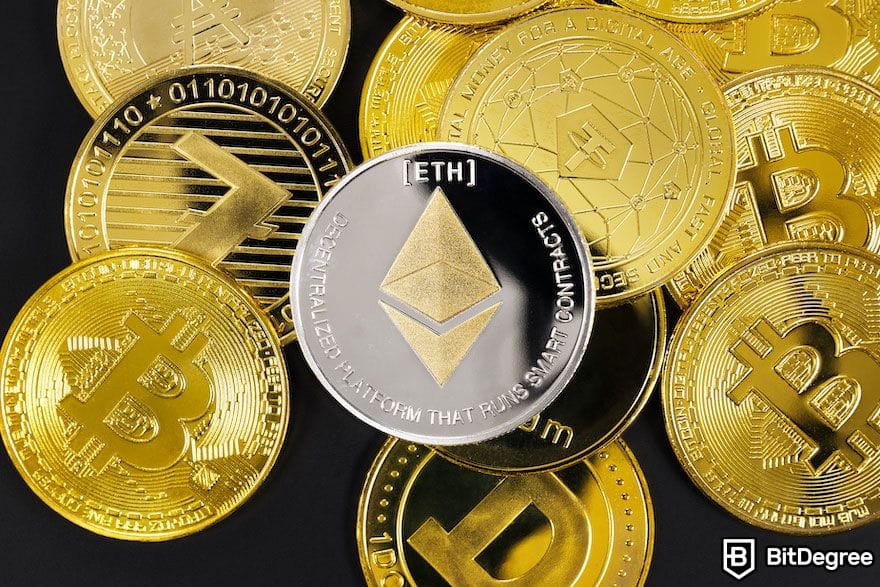
The Bitcoin stock-to-flow model provides a framework for understanding Bitcoin’s potential future trajectory. By analyzing historical price data and the relationship between the circulating supply and the rate of new Bitcoin production, analysts can extrapolate potential future price movements. These projections, however, are not guaranteed and should be viewed as potential scenarios rather than definitive predictions.The continued global adoption of Bitcoin, alongside evolving regulatory landscapes, will significantly influence its future price and market capitalization.
Factors such as institutional investment, technological advancements, and broader societal acceptance will play crucial roles in shaping Bitcoin’s long-term outlook.
Stock-to-Flow Ratio and Future Price Trends
The stock-to-flow ratio is a key metric in the model, reflecting the scarcity of Bitcoin. A higher stock-to-flow ratio generally suggests a stronger price appreciation potential. Historical data indicates a strong correlation between these two metrics. This suggests that as Bitcoin’s supply becomes more scarce, the price might increase.
Potential Implications of Continued Worldwide Adoption
Widespread adoption of Bitcoin could lead to greater mainstream acceptance and integration into financial systems. This, in turn, could lead to increased demand, driving up the price. Increased institutional investment, for example, has already demonstrated a willingness to allocate capital to Bitcoin, showcasing growing confidence in its long-term value. Conversely, regulatory hurdles and security concerns could dampen adoption and, consequently, limit price appreciation.
Factors Driving Price Appreciation or Decline
Several factors can influence Bitcoin’s price trajectory. Stronger institutional adoption and positive regulatory developments could contribute to price appreciation. Conversely, regulatory crackdowns, significant security breaches, or the emergence of competing cryptocurrencies could potentially lead to a decline. Geopolitical instability and economic downturns could also impact market sentiment and, consequently, Bitcoin’s price. The development of new, innovative applications and use cases for Bitcoin could also play a significant role in shaping its future.
Potential Scenarios for Bitcoin’s Role in Global Finance
Bitcoin’s role in global finance is multifaceted. It could serve as a decentralized alternative to traditional financial systems, offering increased transparency and security. However, significant challenges remain, including regulatory uncertainty, scalability issues, and volatility. Its integration with existing financial infrastructure and overcoming these obstacles will be crucial to its long-term success in global finance.
Potential Future Scenarios
| Scenario | Projected Bitcoin Price (USD) | Projected Market Cap (USD) | Key Drivers |
|---|---|---|---|
| Moderate Growth | $50,000 – $100,000 | $1 – $2 Trillion | Continued adoption by institutions, gradual regulatory clarity, and sustained technological development. |
| Significant Growth | $100,000 – $250,000 | $2 – $5 Trillion | Increased institutional investment, successful integration into global payment systems, and significant technological advancements. |
| Consolidation | $20,000 – $50,000 | $0.5 – $1 Trillion | Regulatory uncertainties, significant security breaches, and limited adoption by mainstream financial institutions. |
| Rapid Decline | Below $10,000 | Below $0.2 Trillion | Major regulatory crackdowns, widespread security incidents, and the emergence of compelling alternatives. |
Considerations for Buying Bitcoin
Navigating the world of cryptocurrency investments, particularly Bitcoin, requires careful consideration. While the potential for substantial returns exists, so too do inherent risks. Understanding these factors is crucial for making informed decisions and safeguarding your investment capital.Bitcoin’s volatile nature and decentralized structure present both opportunities and challenges. Investors must approach Bitcoin purchases with a clear understanding of their own risk tolerance and investment goals.
This section explores strategies for informed decision-making, risk mitigation, potential pitfalls, and the importance of due diligence in the Bitcoin market.
Strategies for Informed Decisions
Thorough research is essential for making sound investment choices. Analyzing market trends, evaluating the Bitcoin network’s health, and understanding the underlying technology are vital steps. Stay informed about regulatory developments and news impacting the Bitcoin market. A diverse understanding of the subject matter is key to making educated decisions.
Risk Management Techniques
Diversifying your portfolio is a cornerstone of risk management. Including Bitcoin alongside other assets, such as stocks or bonds, can help mitigate potential losses. Setting realistic expectations for returns and establishing a clear investment strategy, including a predetermined exit strategy, can also minimize risks. Employing stop-loss orders, which automatically sell your Bitcoin at a predetermined price if the market moves against you, is another crucial risk management tool.
Potential Pitfalls and Challenges
Market volatility is a significant factor to consider. Bitcoin prices can fluctuate dramatically, leading to substantial losses. Security risks, such as hacking and scams, are ever-present concerns. The lack of central oversight in the cryptocurrency market can increase the risk of fraud. Furthermore, regulatory uncertainties in different jurisdictions can create complications and hurdles for investors worldwide.
Understanding and managing these risks is vital for a successful investment.
Importance of Due Diligence
Due diligence is paramount in any investment. Thorough research into Bitcoin’s technology, its use cases, and the potential for future growth is essential. Understanding the fundamentals of blockchain technology and its applications is crucial for a deeper understanding. Scrutinizing the reputation and legitimacy of exchanges and wallet providers is equally important. Assessing the current and potential future regulatory landscape is another aspect of due diligence.
The more information you possess, the better equipped you are to make informed decisions.
Best Practices for Buying Bitcoin
“Start with a well-defined investment strategy, encompassing realistic expectations and risk tolerance. Diversify your portfolio, and use risk management tools like stop-loss orders. Thoroughly research the market and maintain vigilance on security threats. Consult with financial advisors to gain further insight, and be cautious of potential scams. Always conduct thorough due diligence before making any Bitcoin investment.”
Closure
In conclusion, buying Bitcoin worldwide involves careful consideration of both the stock-to-flow model and global market dynamics. This analysis has highlighted the complexities of this investment, emphasizing the importance of understanding supply constraints, regional differences in adoption, and the influence of broader economic factors. By navigating these complexities, investors can make more informed decisions in this exciting and volatile market.
FAQ Resource
What are the key differences between the stock-to-flow model and traditional valuation methods for other assets?
The stock-to-flow model focuses on the scarcity and production rate of an asset, while traditional methods like price-to-earnings or price-to-book ratios consider broader market factors and profitability. The stock-to-flow model is particularly useful for assets with limited supply, like Bitcoin, where scarcity plays a dominant role in valuation.
How do regulatory landscapes vary for Bitcoin purchases in different countries?
Bitcoin regulations differ significantly across countries. Some countries have embraced Bitcoin, while others have imposed restrictions or remain uncertain. These regulatory variations directly impact the availability and accessibility of Bitcoin buying methods in specific regions.
What are some potential pitfalls associated with buying Bitcoin worldwide?
Potential pitfalls include fluctuating exchange rates, exchange security risks, and varying regulatory environments across different countries. Furthermore, the inherent volatility of Bitcoin markets poses a risk for investors.
What is the role of institutional investors in shaping Bitcoin’s future?
Institutional investors can significantly impact Bitcoin’s price and adoption. Their entry into the market can lead to increased demand, potentially pushing prices upward. However, their actions can also be influenced by regulatory considerations and perceived risks.